Homeowners and renters policies cap how much they'll pay for jewelry, cameras, computers, smart watches, and other valuables, and they won't pay at all for a lost earring or a cracked laptop screen from an accidental drop. A Personal Articles Policy covers what your home policy leaves out. We help families across New Jersey, New York, Delaware, and Pennsylvania protect what actually matters to them.
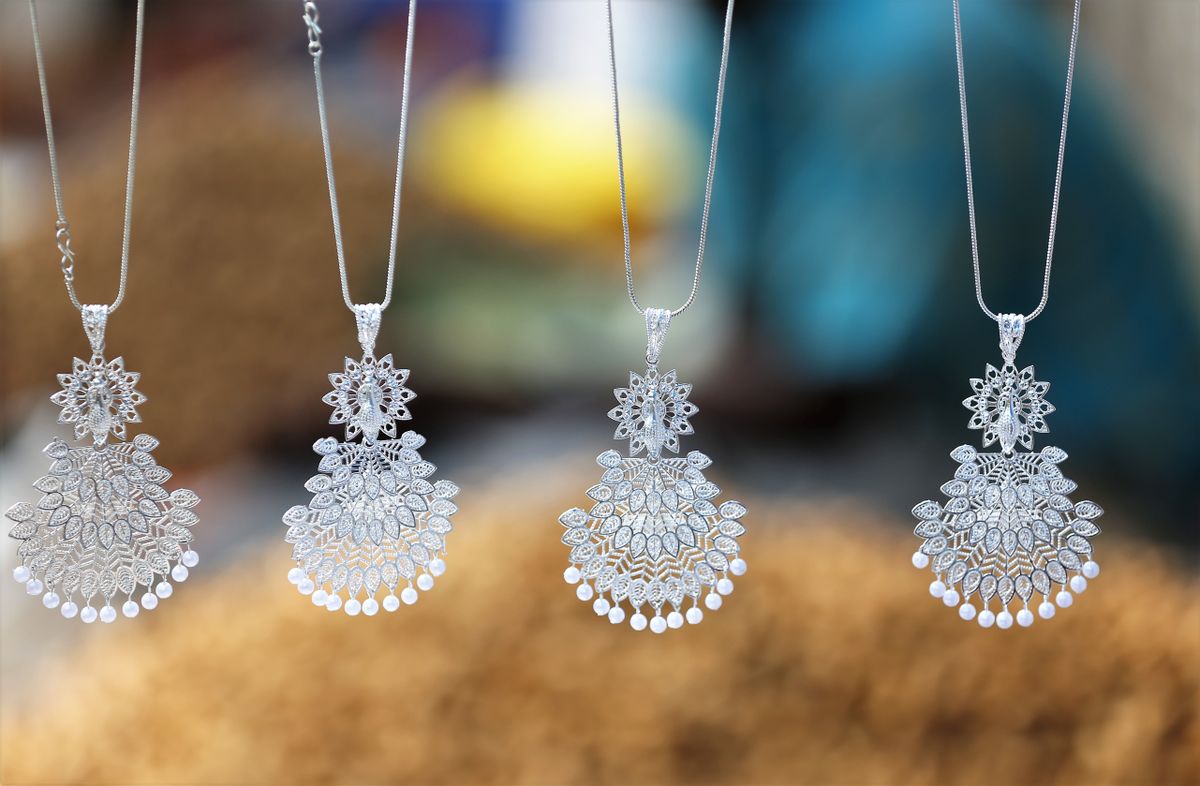
Every standard homeowners and renters policy includes a cap, called a special limit of liability, on certain categories of belongings, no matter how high your overall personal property coverage is.
Jewelry theft is commonly limited to somewhere around $1,000–$5,000 depending on the carrier. A piece worth more than that cap is only partially covered if it's stolen.
Standard homeowners coverage only pays out for specific listed causes of loss, like fire or theft. A dropped camera lens or a lost earring usually isn't covered at all.
Laptops, tablets, and smart watches often fall under their own sub-limit as well, commonly around $1,000–$2,000 depending on the carrier, separate from the jewelry cap.
Your jewelry, electronics, and collectibles all draw from the same overall personal property limit as your furniture and clothes, on top of their own individual caps.
Scheduling an item removes it from your homeowners policy's capped sub-limit and insures it for its own appraised or agreed value instead.
Most Personal Articles Policies cover mysterious disappearance and accidental damage, a missing earring, a cracked lens, a chipped stone, on top of the usual theft and fire protection.
Many of these policies also come with little or no deductible, and cover your items worldwide, not just at home.
This depends entirely on how the coverage is set up, and it's worth understanding before you buy.
A true standalone Personal Articles Policy, written by a specialist valuables insurer as its own separate policy, is generally understood in the industry to keep its claims separate from your homeowners insurance claims history.
An endorsement attached to your homeowners policy is a different story. Even though it may have its own policy number, if your insurer reports that loss into the same claims database used for your homeowners account, it can still show up on your homeowners claims history and affect renewal down the road.
We'll tell you upfront which kind of coverage we're placing you on, and confirm in writing how a given carrier reports claims, so you're not surprised later.
Any valuable, individually identifiable item can typically be scheduled on its own.
Dropped a lens? Cracked a body on a shoot? Standard homeowners coverage typically excludes accidental damage entirely. A Personal Articles Policy adds it.
Gear gets used on the road, not just at home. Worldwide coverage means your camera bag is protected on location, not just in your closet.
This coverage is built for personal use. If you earn income with your equipment, ask us about business-appropriate coverage instead, since some insurers exclude professional use from a personal policy.
MacBooks, iPads, Apple Watches, and other everyday tech are some of the most commonly scheduled items we see, and some of the most under-protected.
A cracked screen, a laptop that takes a fall, or a watch that goes in the pool are the kinds of everyday accidents a standard homeowners policy typically won't pay for at all.
Laptops and tablets are lost and stolen away from home more than almost anything else people own. Worldwide coverage protects them at a coffee shop, an airport, or on vacation, not just in your house.
Instead of juggling a separate manufacturer protection plan for every laptop, tablet, and watch in the house, scheduling your devices covers them all under one policy with one deductible structure.
A recent receipt, appraisal, or professional valuation is usually enough to get started, especially for jewelry. We recommend reappraising valuable pieces every few years, since market values shift, and updating your policy whenever you add something significant.
Only partially. Standard homeowners and renters policies include a built-in cap, called a special limit of liability, on certain valuables. Jewelry theft is commonly capped somewhere around $1,000 to $5,000 depending on the carrier, no matter how high your overall personal property coverage is. Anything above that cap, you'd pay out of pocket.
It's a policy, sometimes called a scheduled personal property endorsement or a valuables floater, that insures specific, individually listed items for their full appraised value, instead of leaving them subject to your homeowners or renters policy's built-in caps.
Two big things. First, the full appraised value instead of a capped amount. Second, broader protection, including mysterious disappearance (an earring that simply goes missing) and accidental damage (a dropped camera lens), which standard homeowners and renters policies typically don't cover at all since they only pay out for specific named causes of loss.
Often little or none. Many Personal Articles Policies come with no deductible, or a very low one specific to that item, separate from your home policy's deductible. This varies by carrier, so we'll confirm the details for your specific policy.
It depends on how the coverage is structured. A true standalone policy from a specialist valuables insurer is generally understood to keep claims separate from your homeowners claims history. But if the coverage is an endorsement attached to your homeowners policy, or if the issuing carrier reports it into the same claims database your homeowners insurer uses, it may still show up on your homeowners record. We'll confirm exactly how a given policy is reported before you buy it, so you know what you're getting.
Commonly jewelry and watches, fine art, antiques, collectibles like coins and stamps, furs, silverware, musical instruments, cameras and photography equipment, computers and tablets, smart watches, firearms, and increasingly high-end bicycles.
Yes, and it's one of the most common reasons people schedule items. A standard homeowners policy only covers cameras and lenses against specific named perils like theft or fire, not accidental damage, so a dropped and cracked lens typically isn't covered. Scheduling your gear adds accidental damage and loss coverage that homeowners policies leave out.
Yes. Computers, tablets, and smart watches, including Apple products like MacBooks, iPads, and Apple Watches, can be scheduled just like jewelry or camera gear. A standard homeowners or renters policy typically won't pay for a cracked screen or a watch dropped in water, and often caps electronics theft at a lower amount than you'd expect. Scheduling your devices adds accidental damage protection and worldwide coverage that a manufacturer warranty or your home policy doesn't provide. Note that cell phones are not eligible to be scheduled on a Personal Articles Policy.
Usually a receipt, appraisal, or professional valuation, especially for jewelry. We recommend reappraising valuable pieces every few years since market values shift, and updating your policy whenever you add a significant new item.
Generally, yes. Most Personal Articles Policies provide worldwide coverage, not just coverage at home, which matters if you travel with jewelry or camera equipment.
Not quite. Personal Articles Policies are built for personal use. Some insurers exclude equipment used for business or professional work from a personal valuables policy. If you earn income with your gear, ask us about business-appropriate coverage instead.
Fill out our quote form or call or text us at 908.379.0959 with a description, photos, and any appraisal or receipt you have for the item. We'll shop coverage across our carrier network and explain exactly how claims would be handled.