A landlord's insurance protects the building. It doesn't protect your furniture, electronics, or clothes, and it doesn't protect you if you're found liable for an accident. Renters insurance covers both, and it's one of the most affordable policies you can buy. We help renters across New Jersey, New York, Delaware, and Pennsylvania get covered in minutes.
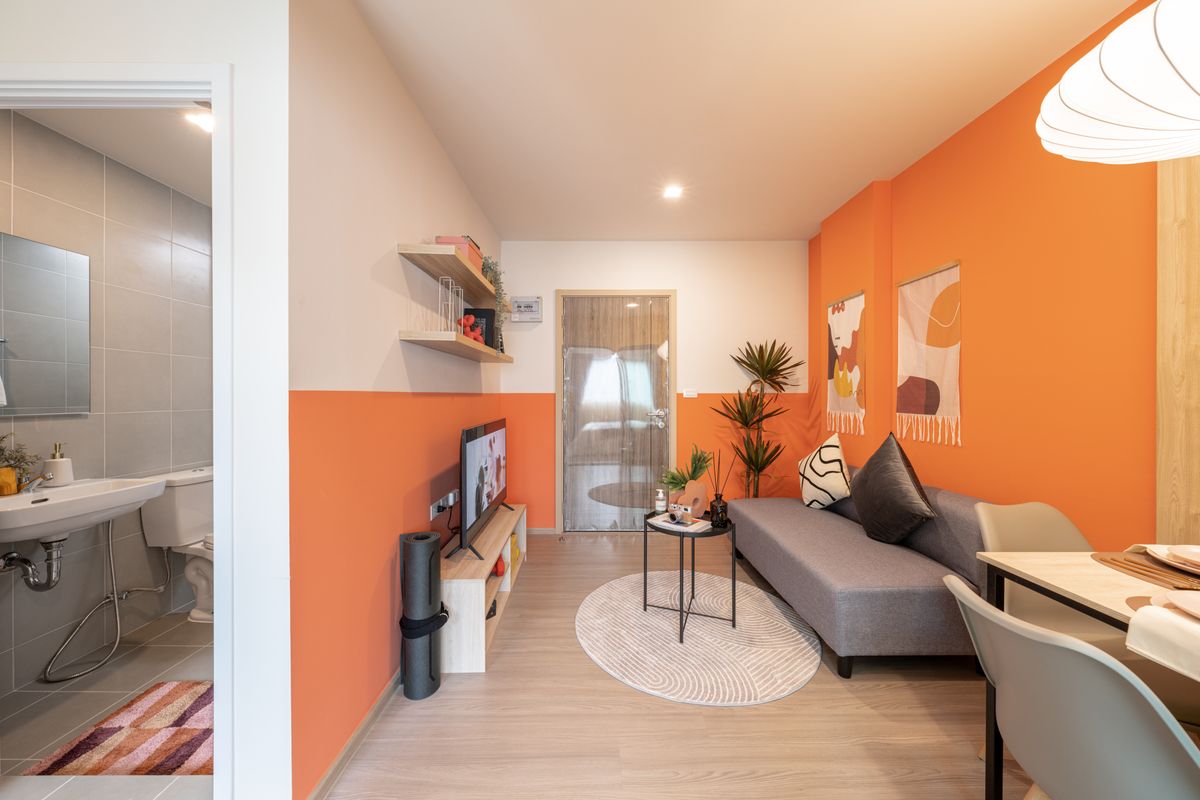
Your furniture, electronics, clothes, and belongings, covered against fire, theft, vandalism, and sudden water damage like a burst pipe.
If someone is injured in your rental, or you accidentally damage someone else's property, this covers the claim and your legal defense costs.
Small, no-fault coverage that pays a guest's minor medical bills if they're hurt at your place, regardless of who's at fault.
Covers a hotel or temporary housing, plus extra costs like meals, if a covered loss makes your rental temporarily unlivable.
Many policies extend some protection to belongings stolen from your car or damaged while traveling, not just inside your rental.
Many carriers offer identity theft protection as an inexpensive add-on, reimbursing recovery expenses if your identity is stolen.
Pays the depreciated value of your belongings at the time of loss. A five-year-old TV is reimbursed at its used value, not what a new one costs today.
Pays what it actually costs to buy a new equivalent item, with no deduction for depreciation. Costs a bit more, but usually worth it.
Standard renters insurance leaves out a handful of things, each with its own fix.
Renters can still get flood coverage for their belongings through a separate flood insurance policy, and valuables beyond your policy's built-in caps can be fully covered with a Personal Articles Policy.
A landlord's insurance covers the structure they own, not what you keep inside it. Renters insurance covers your belongings and protects you from liability, which is also why most leases require it.
Renters insurance commonly runs somewhere around $15–$30 a month, though the real number depends on your coverage amount, deductible, and state. New Jersey, New York, Delaware, and Pennsylvania all tend to run at or below the national average.
No. Your landlord's policy covers the building itself, the structure, roof, and common areas, not your personal belongings. If a fire, theft, or burst pipe damages your furniture, electronics, or clothes, only your own renters policy would cover that.
Four main things: your personal property if it's damaged or stolen, liability if someone is injured in your rental or you accidentally damage someone else's property, medical payments for a guest who's hurt at your place regardless of fault, and loss of use coverage for a hotel or temporary housing if your rental becomes unlivable after a covered loss.
It's one of the most affordable types of insurance available, commonly in the range of $15 to $30 a month, though the exact number depends on your state, coverage amount, deductible, and where you live. We'll get you an exact quote.
Actual cash value pays what your belongings were worth at the time of loss, after depreciation. Replacement cost pays what it actually costs to buy a new equivalent item today. Replacement cost costs a bit more but is usually worth it, since actual cash value can leave you well short of what you'd need to replace things.
Flooding and earthquakes are the two big ones, both need separate coverage. Normal wear and tear, pest infestations, and the building's structure itself (that's your landlord's responsibility) also aren't covered. High-value items like fine jewelry often have small built-in caps too, which is where a Personal Articles Policy comes in.
Yes. Renters can buy a flood policy for their contents, through the National Flood Insurance Program or a private carrier, even though they don't own the building. It's a separate policy from your renters insurance.
It protects both sides. It covers your belongings, which your landlord's policy doesn't, and it covers you if you're found liable for damage to the unit or an injury to a guest, which helps avoid disputes between you and your landlord.
Only up to a point. Standard renters policies include built-in caps on categories like jewelry, firearms, and sometimes electronics. If you own anything valuable enough that the cap would leave you short, scheduling it on a separate Personal Articles Policy covers the full value instead.
Common add-ons include water backup coverage (for sump pump or drain overflow damage), identity theft protection, increased liability limits, and scheduled coverage for valuables beyond your policy's standard caps.
Often yes, within limits. Many renters policies extend some coverage to belongings stolen from your car or damaged while you're traveling, not just inside your rental. We'll walk you through the specifics of a given policy.
Fill out our quote form or call or text us at 908.379.0959. We'll ask a few quick questions about your rental and belongings and shop coverage across our carrier network.